May 5, 2026 3 Trends with AAPI Roots We Wear on Repeat
Fashion is always evolving, but some of the most wearable trends are the ones that feel familiar but styled in a fresh way.
AAPI influence emerges frequently in everyday style, showing up in pieces that are widely recognized but still rooted in cultural significance. Here are 3 of them that we wear on repeat.
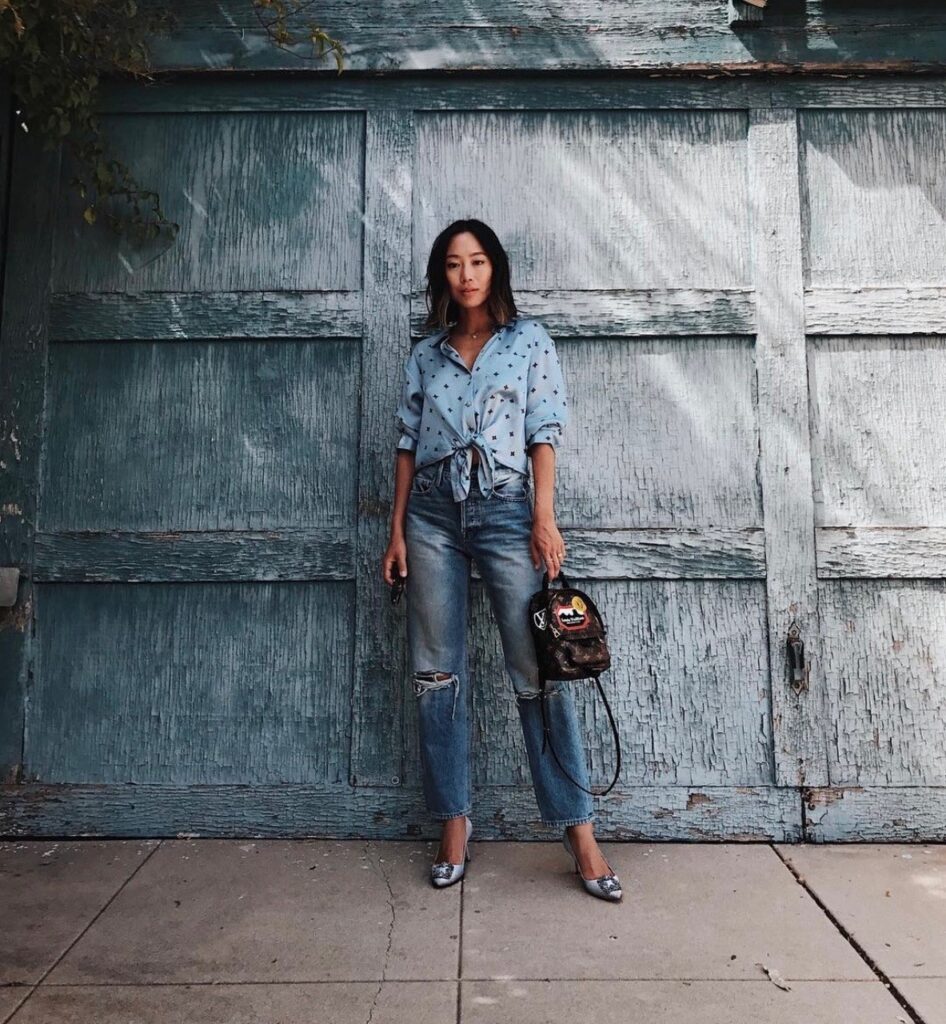
1. Satin & Silk Sets
Matching sets in satin or silk have become a go-to for that effortless “put together” look. While they’re trending across the board, they draw clear inspiration from traditional garments like Chinese silk loungewear and pajama sets. The appeal is in the ease of soft, fluid fabrics paired with relaxed silhouettes that work just as well for daytime as they do for night.
Our pro tip is to break up the set and wear the top with vintage denim or the pants with a simple t-shirt to keep it casual.
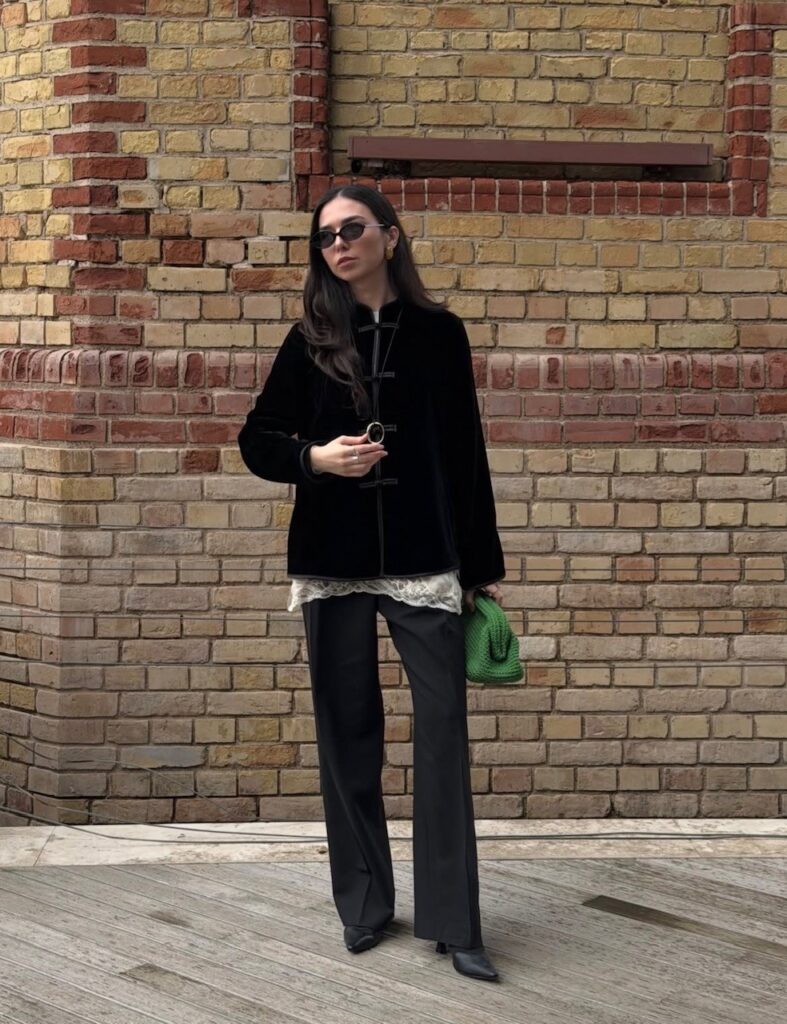
2. The Mandarin Collar
This classis collar show us repeatedly in structured tops, lightweight jackets, and even mini dresses. Rooted in traditional Chinese garments like the qipao and changshan, this design element reappears frequently in contemporary fashion.
A mandarin collar instantly elevates a simple top and is a subtle way to incorporate structure and detail into everyday outfits.
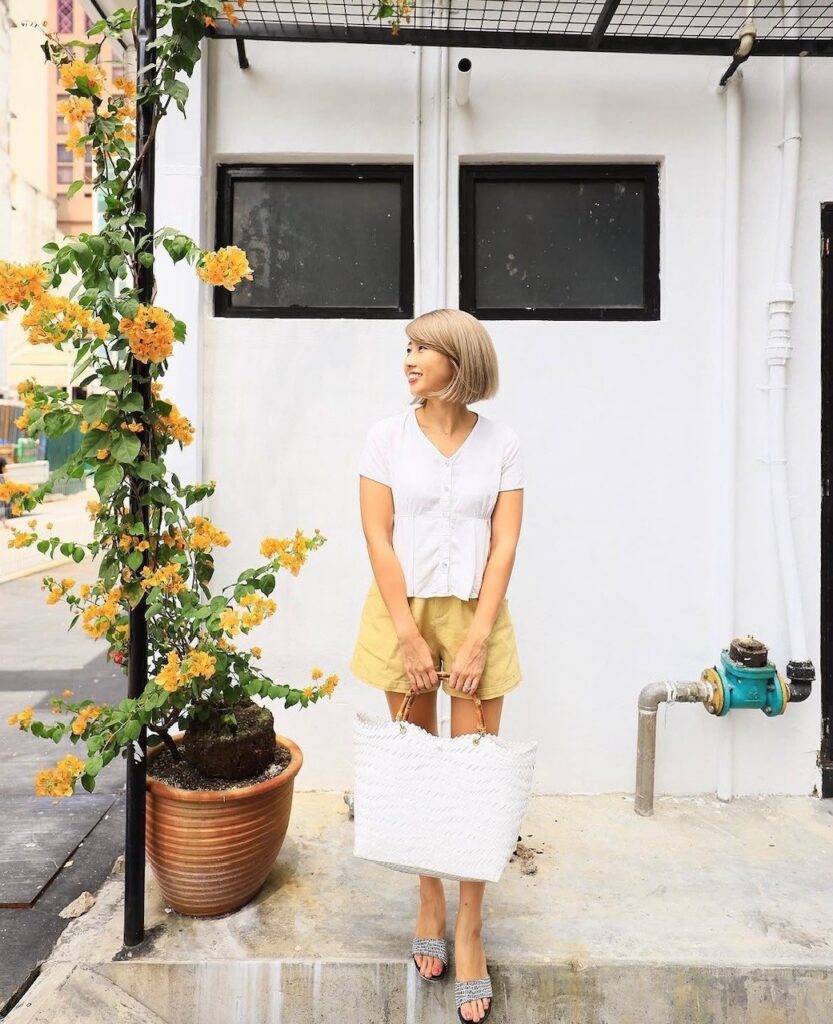
3. Bamboo Handles
From structured handbags to summer-ready totes, bamboo handles and woven textures have become a staple in warm-weather styling. While they cycle in and out of trend, their roots trace back to East and Southeast Asian craftsmanship, where materials like bamboo, rattan, and straw have long been used in both fashion and everyday goods.
What makes this trend so relevant now is its mix of practicality and texture. A bamboo handle bag brings a sculptural, polished feel to a simple outfit. It feels both timeless and on-trend.
The common thread? These trends are approachable, versatile, and already part of the fashion conversation. AAPI influence isn’t always about something entirely new, it’s often about the details, the history, and the way familiar pieces are reinterpreted for right now.